Register of entries
All 24 entries on the site, in reading order, with the section each belongs to. No dropdown required.
| No. | Plate | Entry | Section | What it covers |
|---|---|---|---|---|
| 01 | 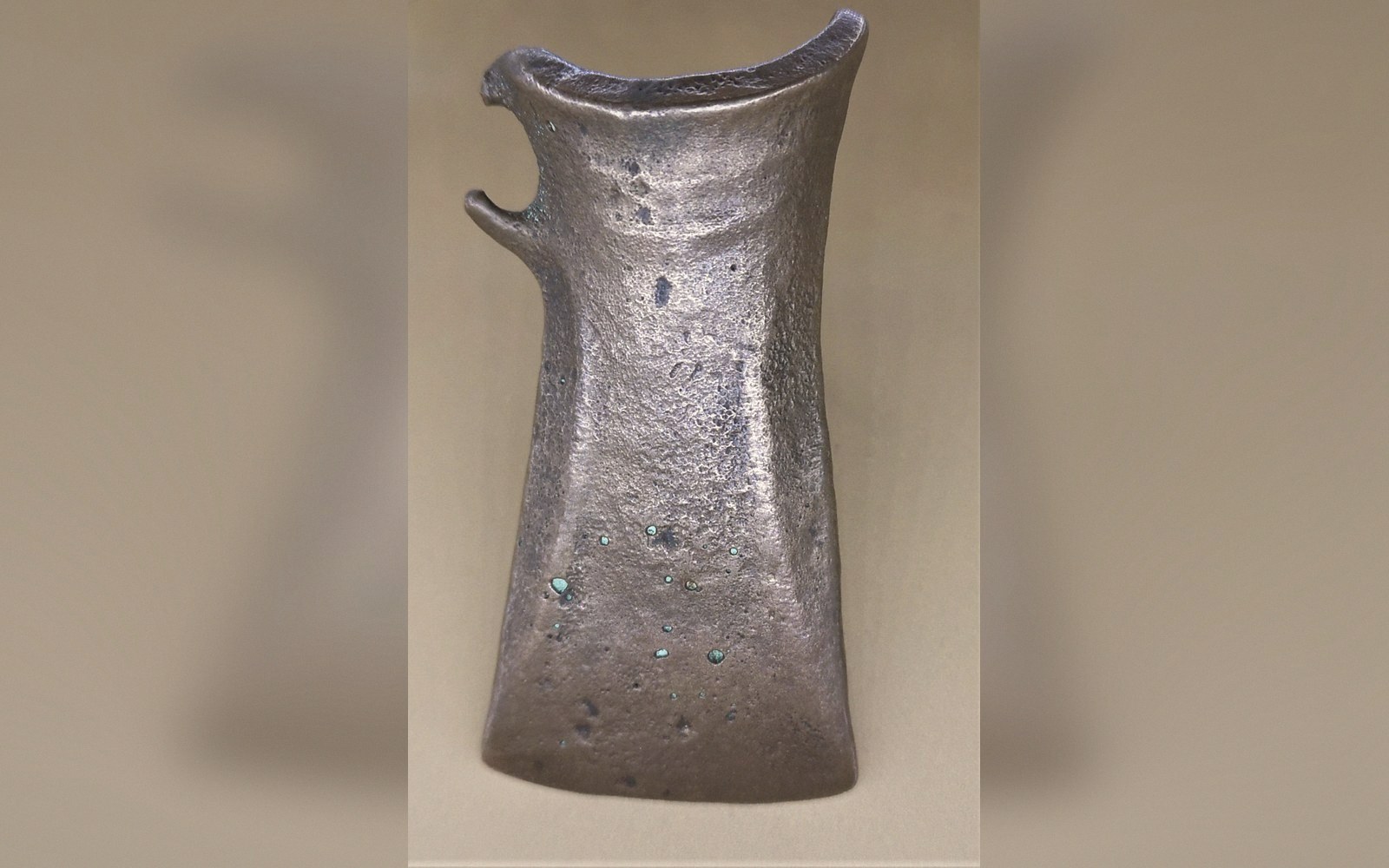 | A tenth part tin | The Alloy | Copper alone is too soft to hold an edge. Add about a tenth part tin and it casts better, hardens under the hammer and takes a working edge — but copper and tin almost never occur in the same place, so the alloy could not exist without long-distance trade. The whole period follows from that inconvenience. |
| 02 | 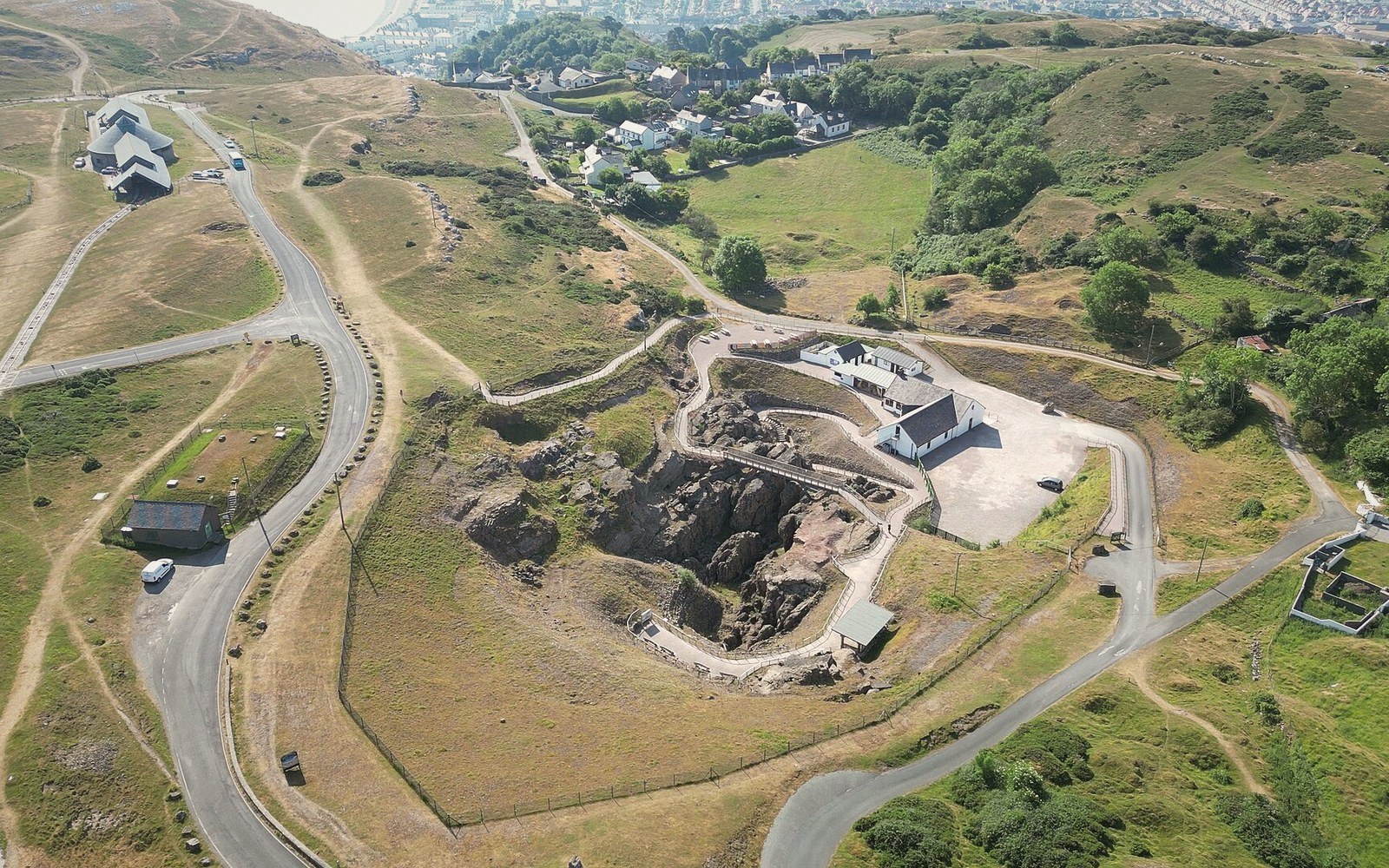 | Copper sources | The Alloy | Where it was mined, how the ore was roasted and smelted, and what the spoil says. |
| 03 | 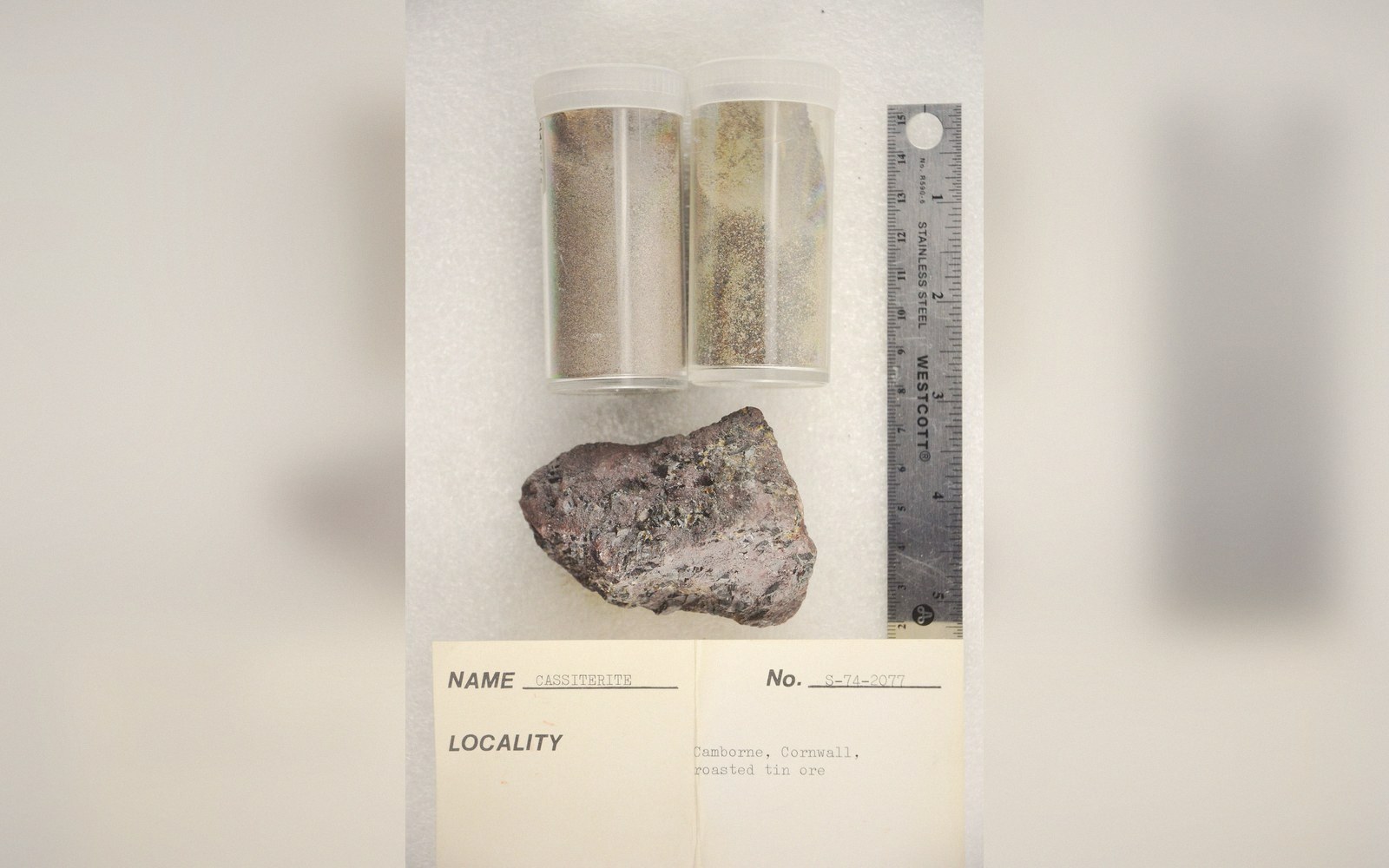 | Tin and its scarcity | The Alloy | Rare, concentrated in a handful of regions, and worth moving the length of a continent. |
| 04 | 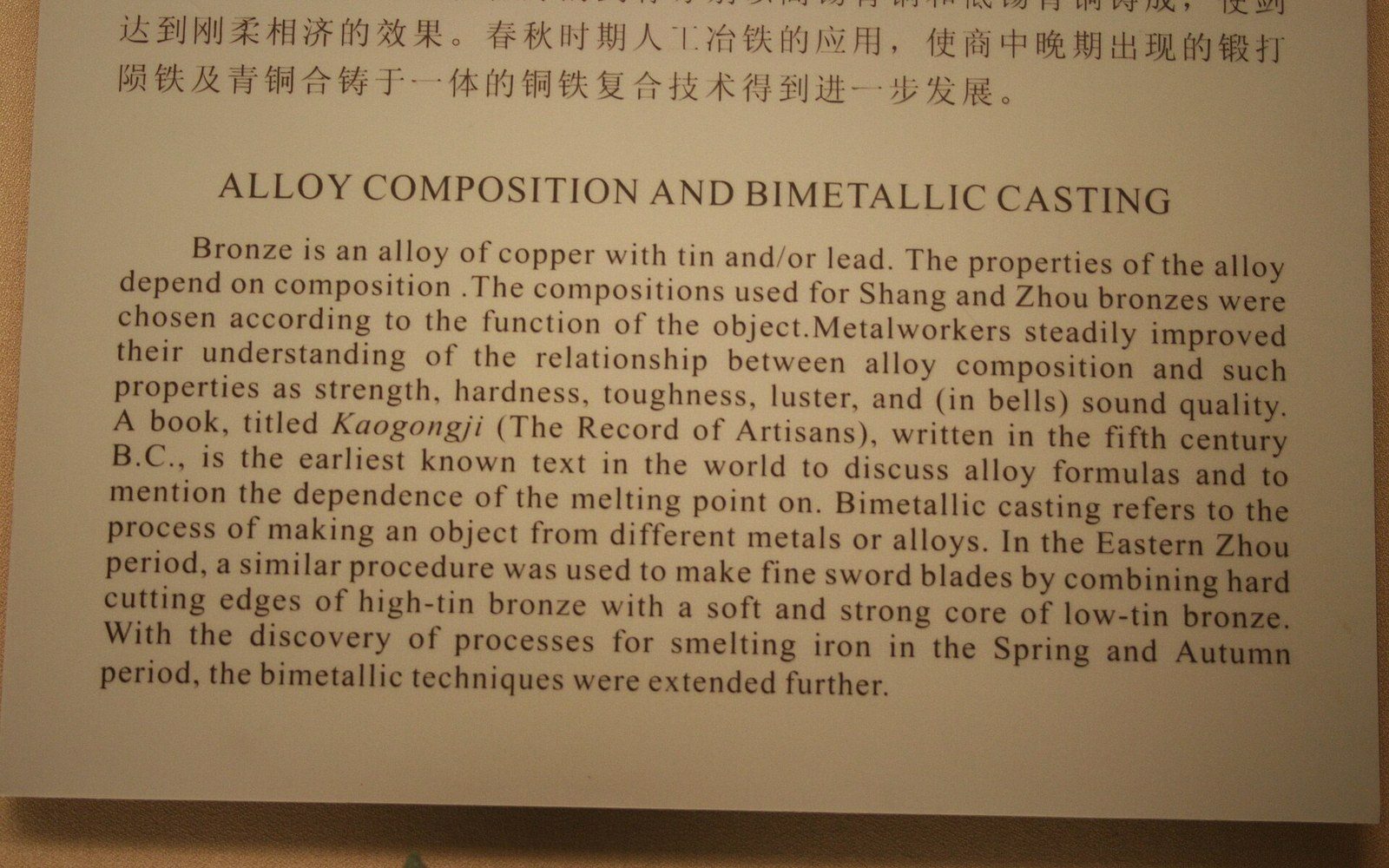 | Proportion and hardness | The Alloy | More tin is harder and more brittle. The ratio varies by object and by workshop. |
| 05 | 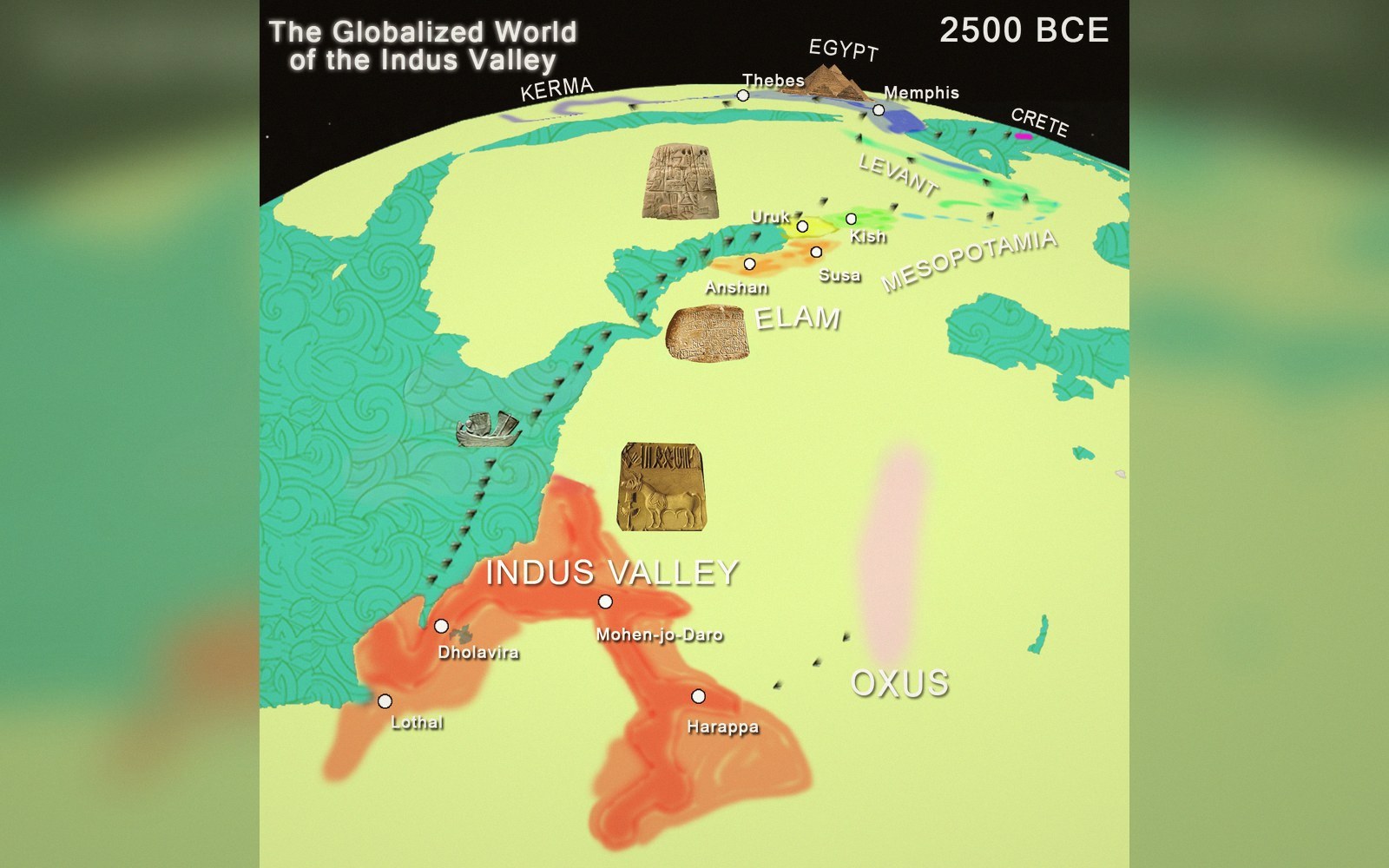 | Routes and rivers | Trade | Water moved metal. Distribution maps of finds are largely maps of navigable water. |
| 06 | 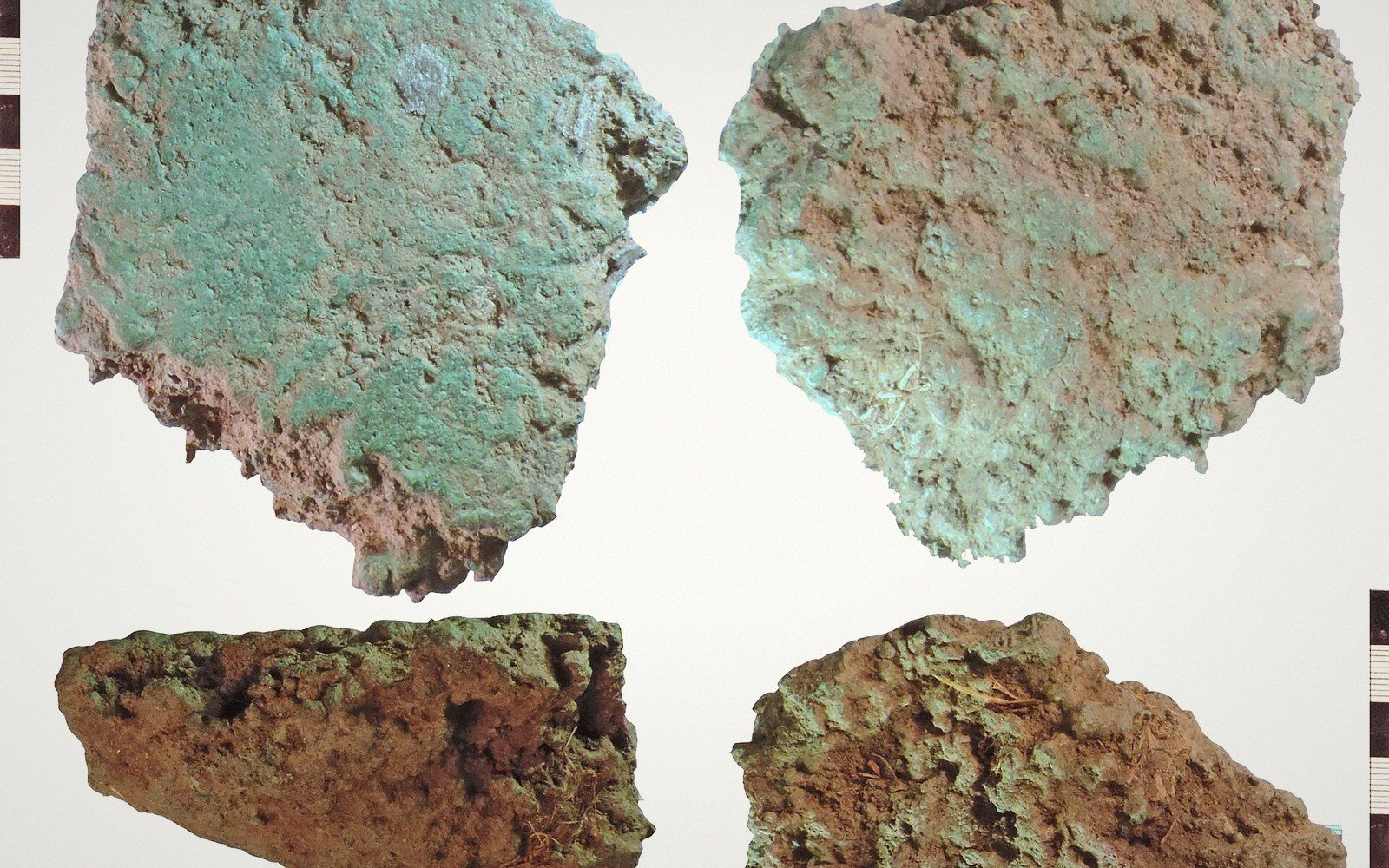 | Ingots and scrap | Trade | Metal circulated as raw stock and as broken objects. A scrap hoard is a bank, not a loss. |
| 07 | 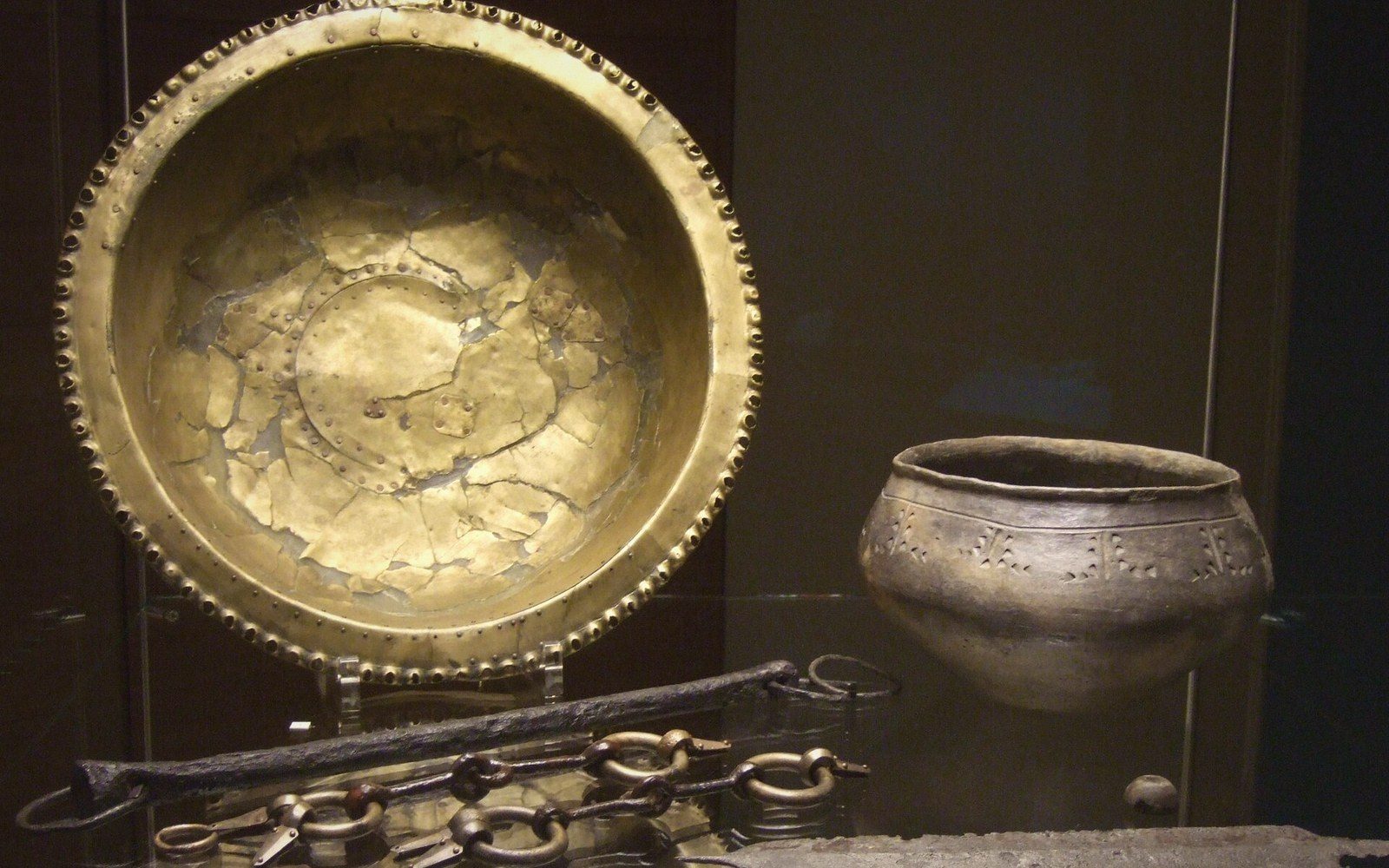 | Who controlled it | Trade | Control of a scarce alloy is control of weapons, and it shows in burials. |
| 08 | 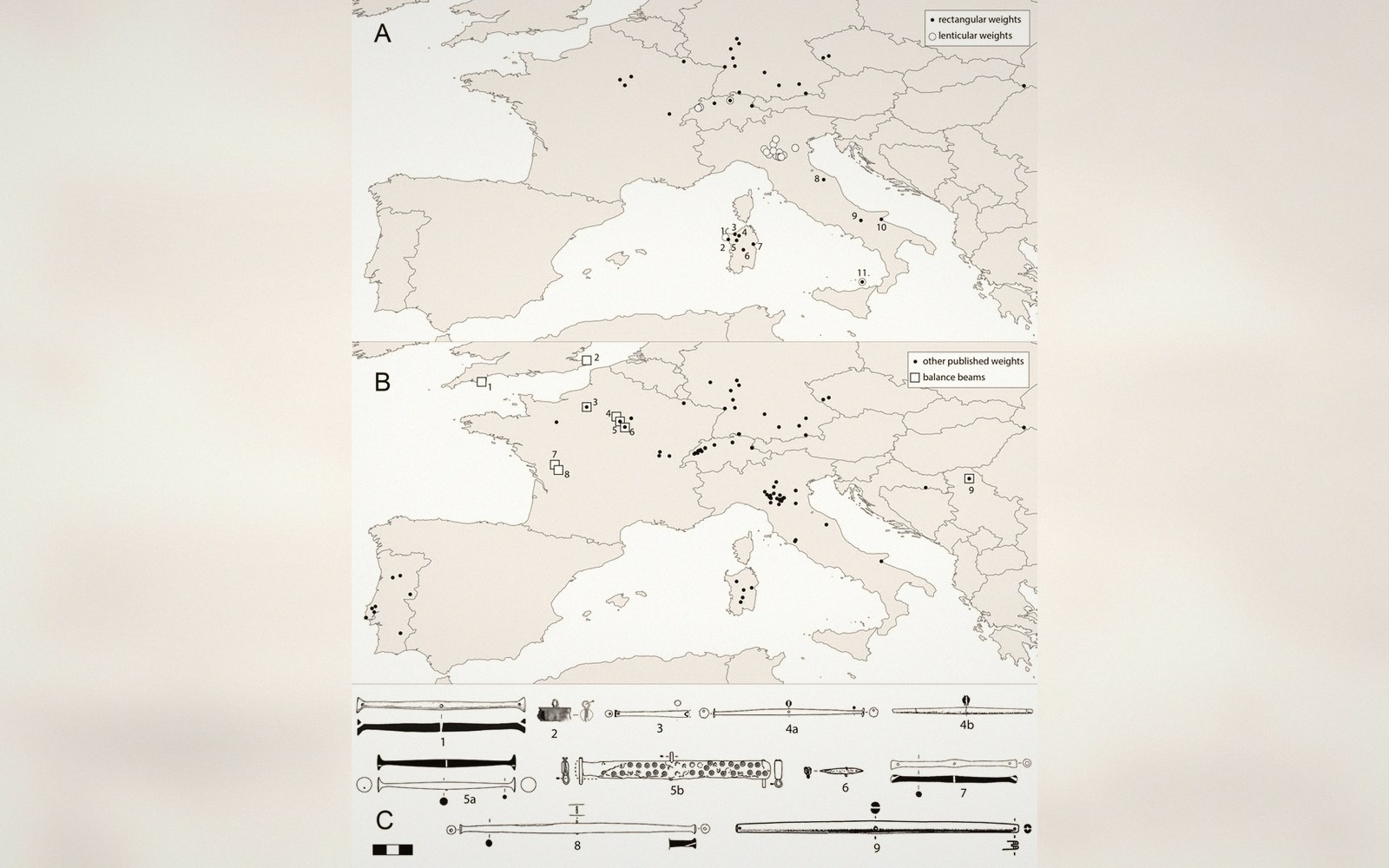 | Weight and standard | Trade | Evidence for reckoning by weight, long before coinage. |
| 09 | 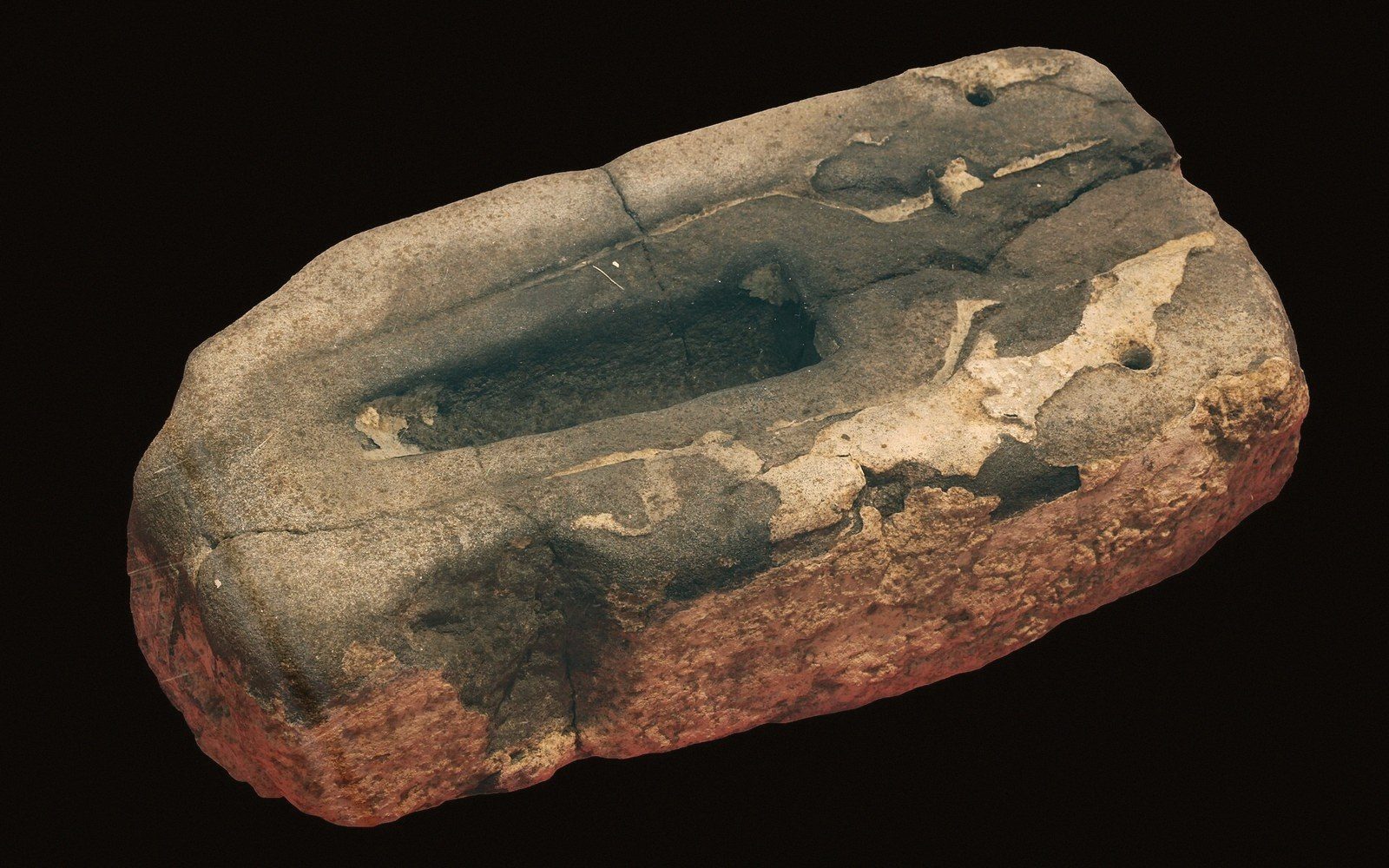 | Moulds | Casting | Stone, clay and lost wax, each leaving a different signature on the object. |
| 10 | 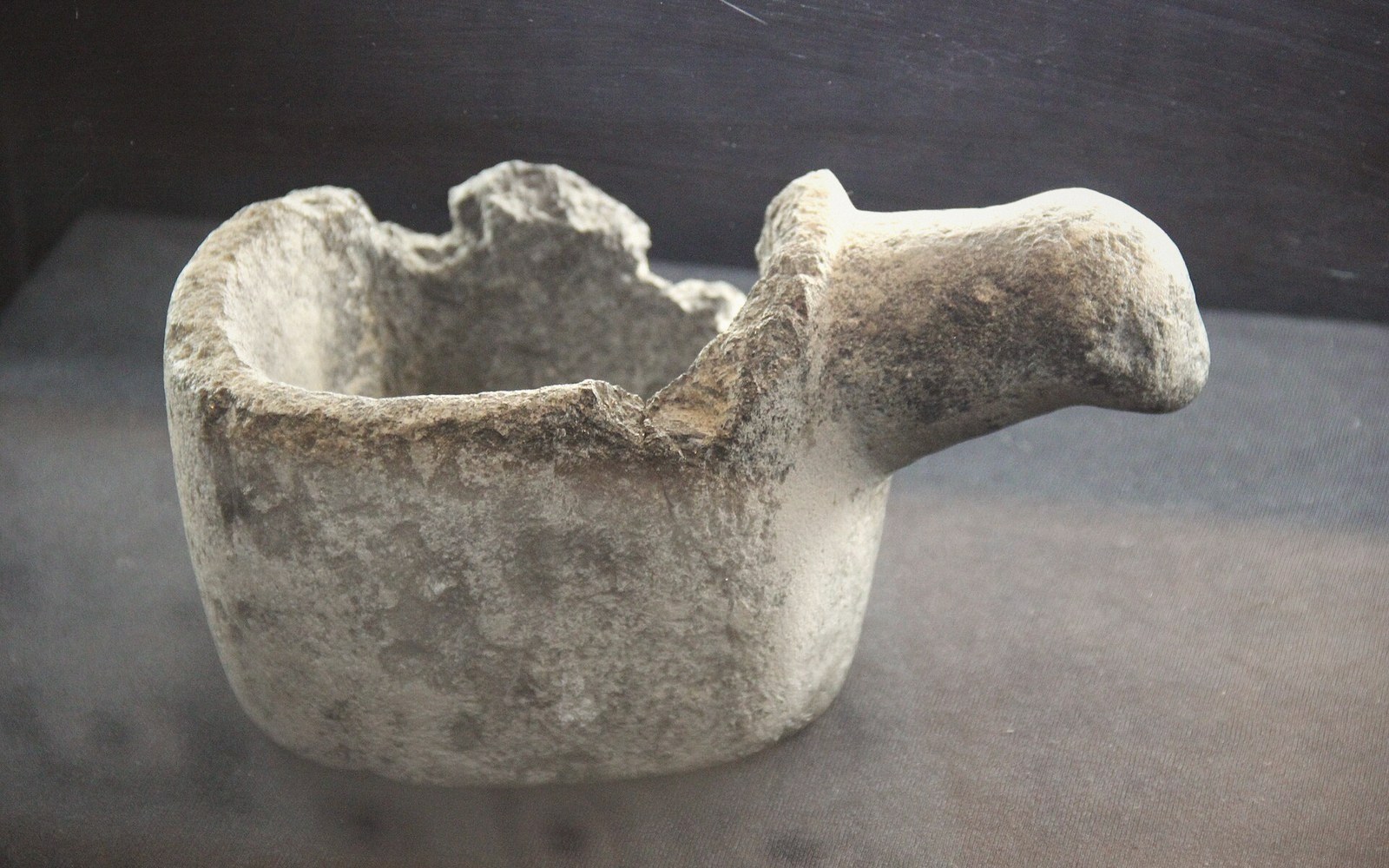 | Crucible and furnace | Casting | Getting to temperature with charcoal and forced air, and holding it long enough. |
| 11 | 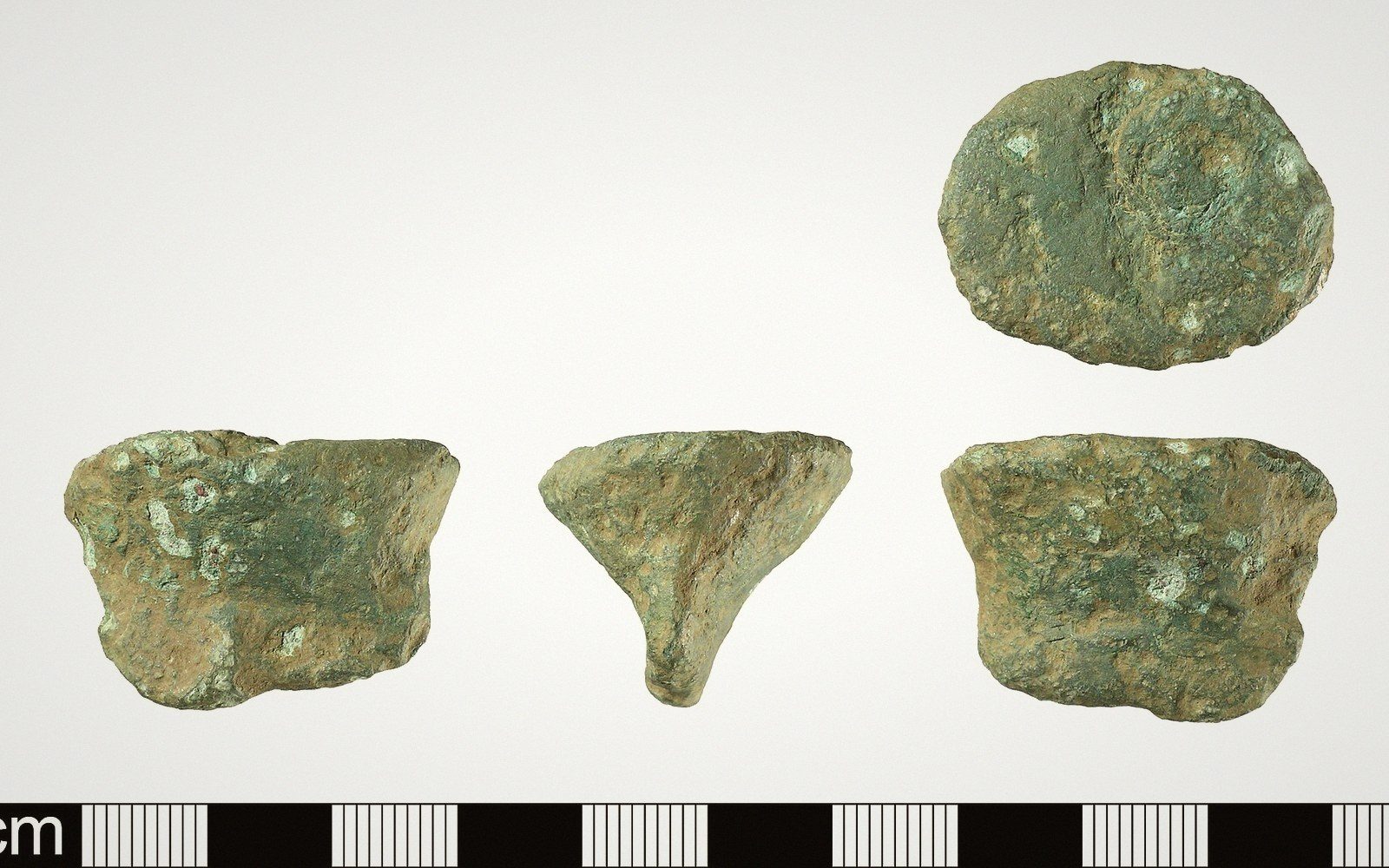 | Jets, flash and finishing | Casting | Most of the work happens after the metal is solid. |
| 12 | 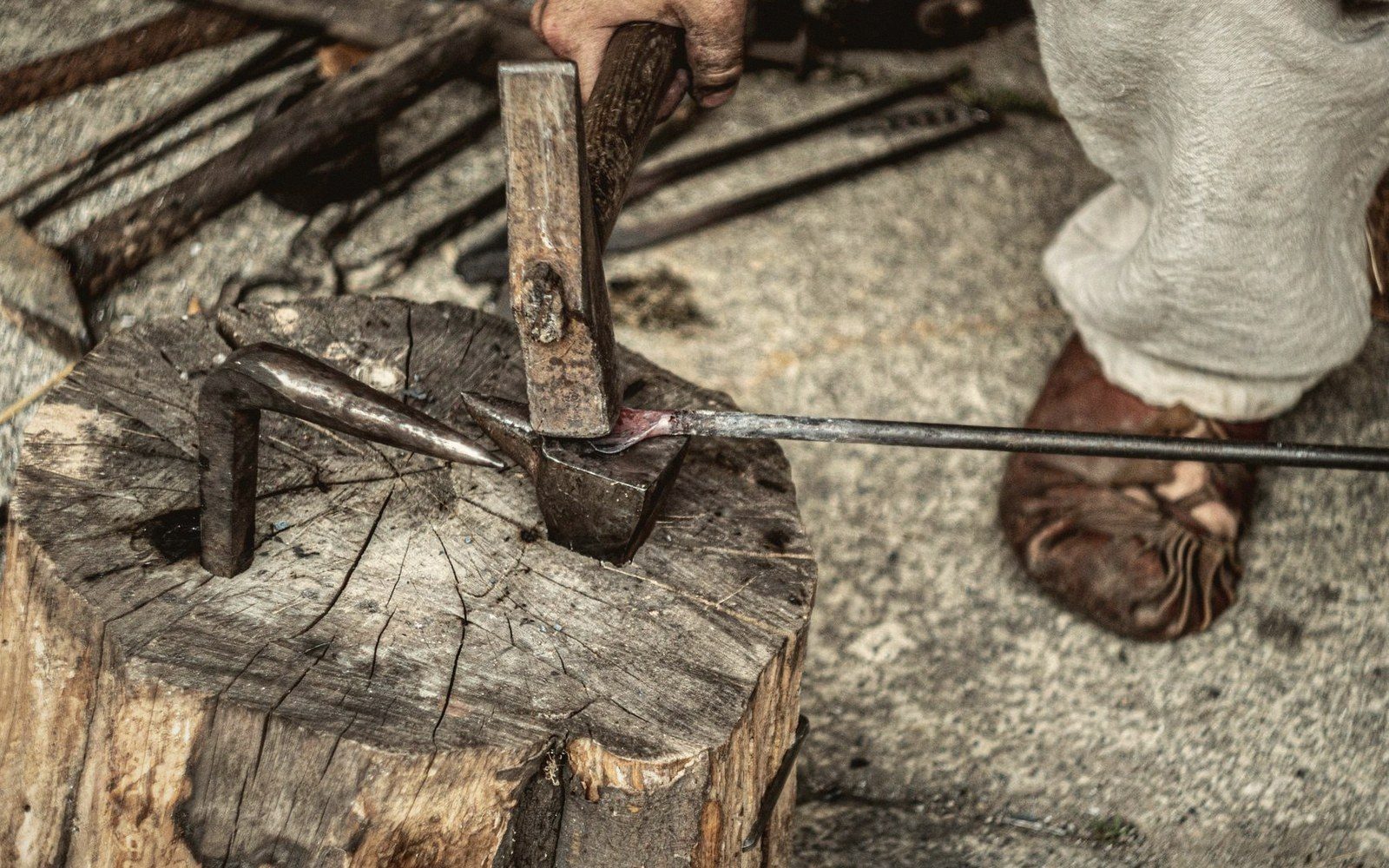 | Work-hardening an edge | Casting | Hammered cold, the edge gets harder — and eventually cracks. |
| 13 | 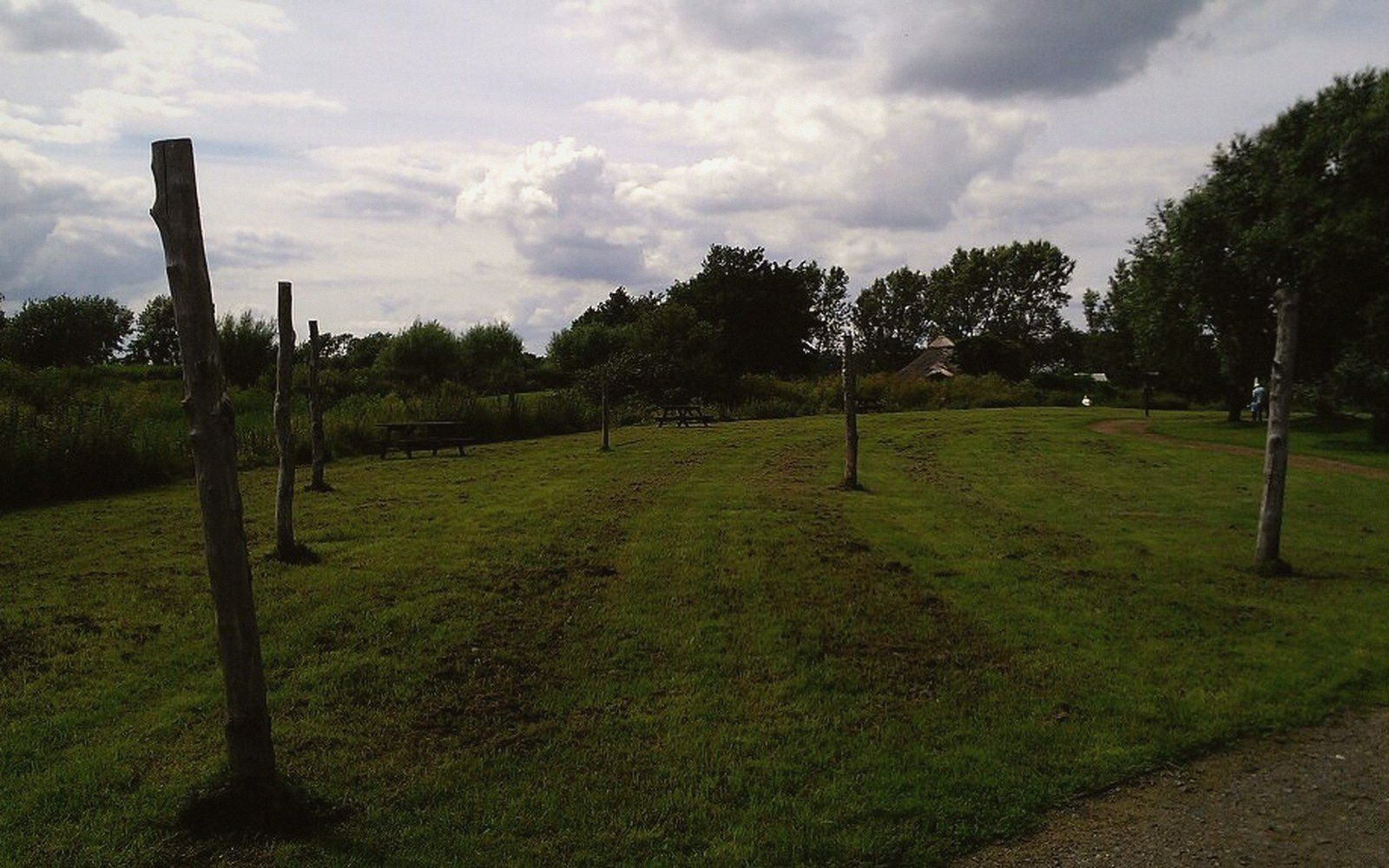 | Causeways | Timber and Water | Timber alignments driven into wetland, sometimes for a kilometre. Enormous labour for a route across ground nobody had to cross. |
| 14 | 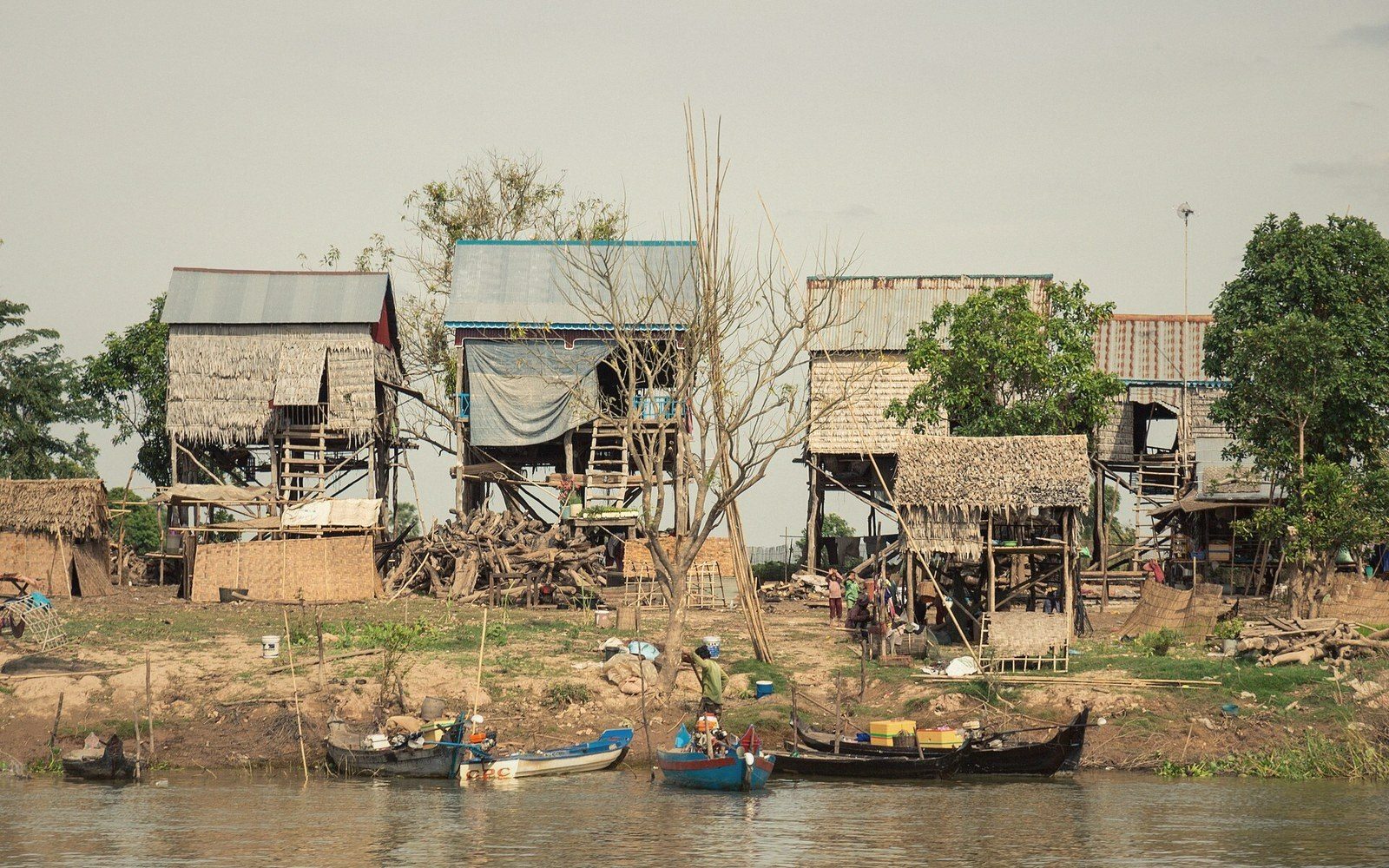 | Platforms and piling | Timber and Water | Posts driven into peat, and what the spacing says about what stood on them. |
| 15 | 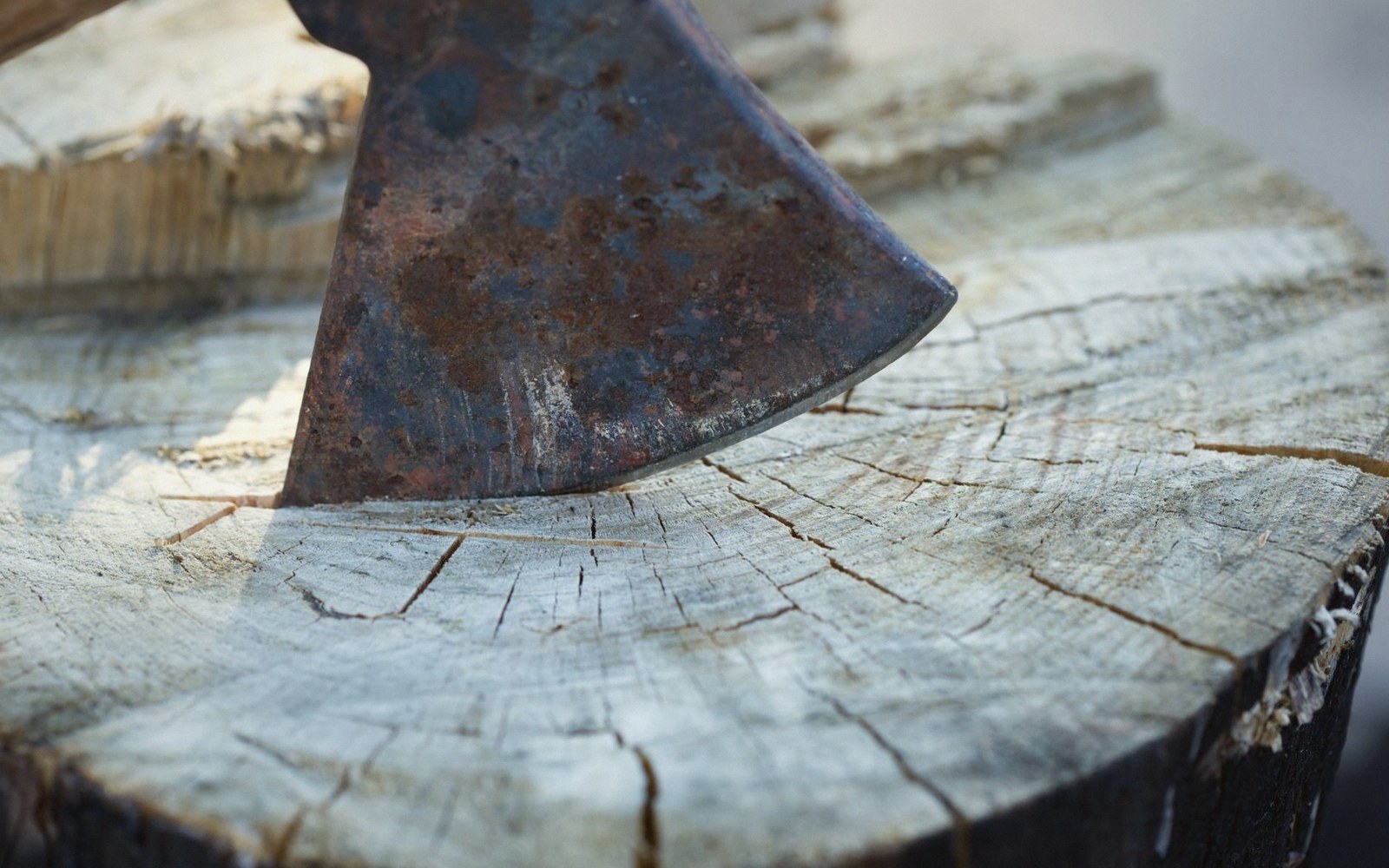 | Reading a worked end | Timber and Water | Tool facets on a waterlogged post identify the axe and sometimes the hand. |
| 16 | 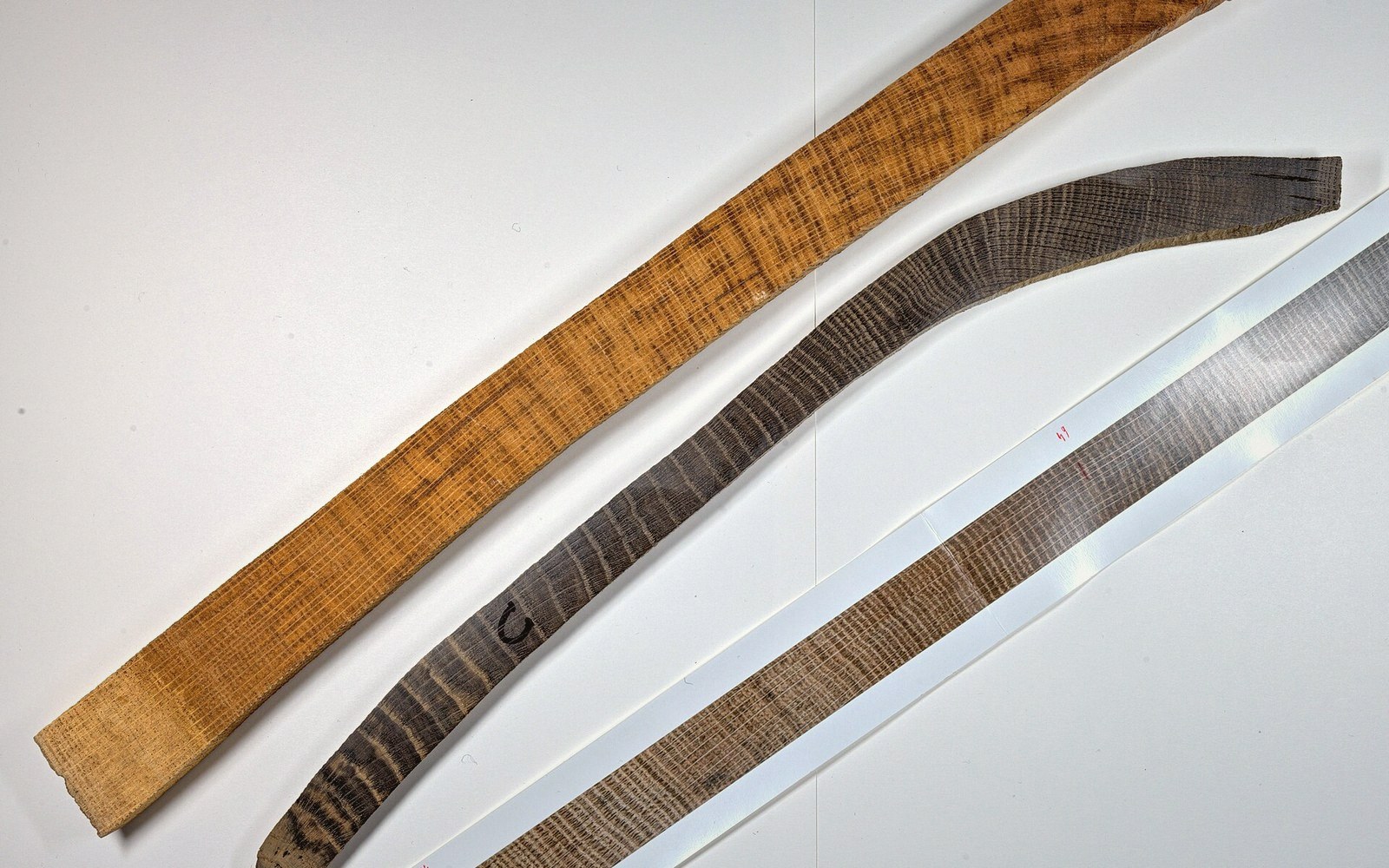 | Felling and season | Timber and Water | Tree rings can date a timber to a season, not just a year. |
| 17 | 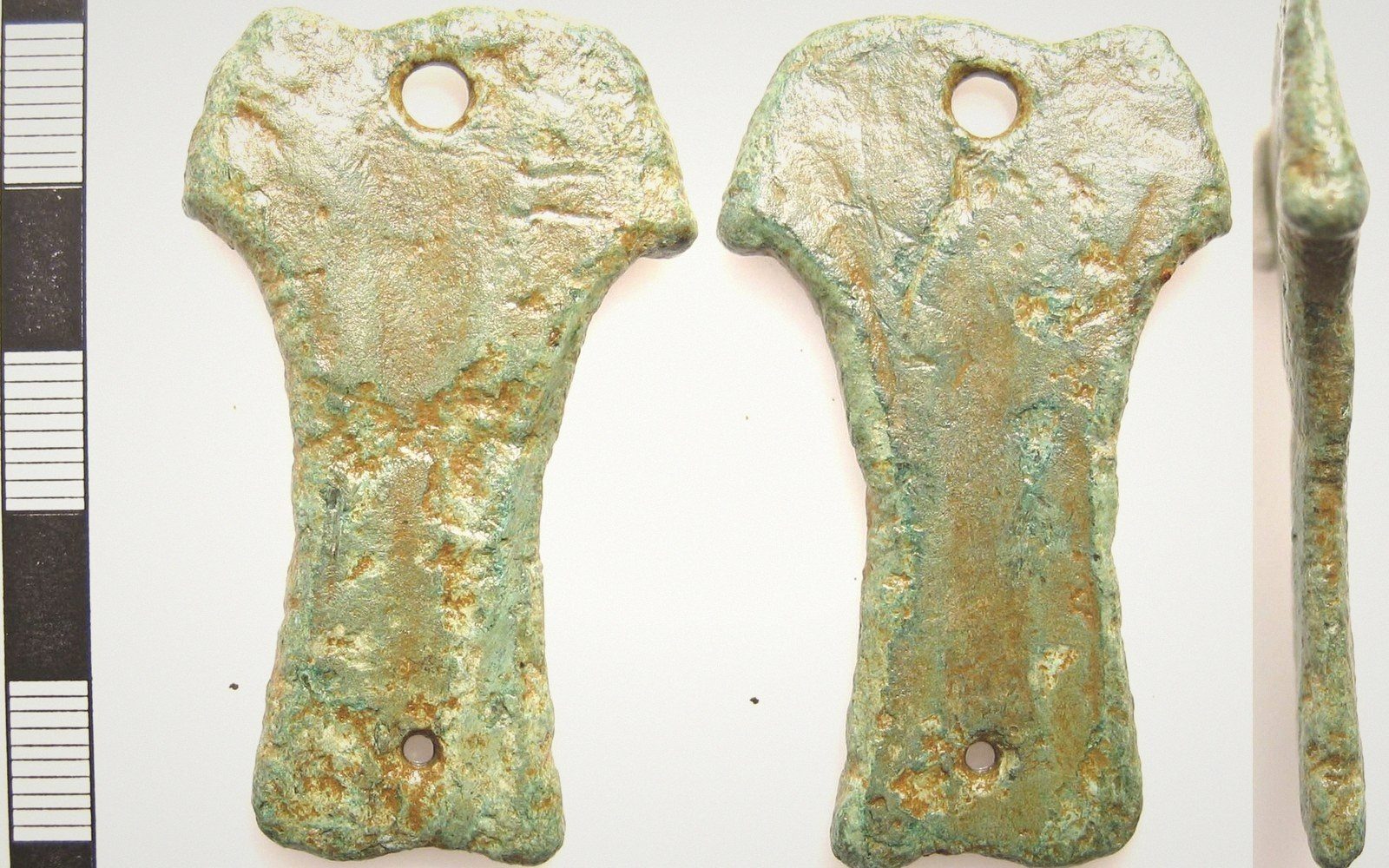 | River metalwork | Deposits | Swords and spearheads recovered from rivers in numbers that cannot be accidental loss. |
| 18 | 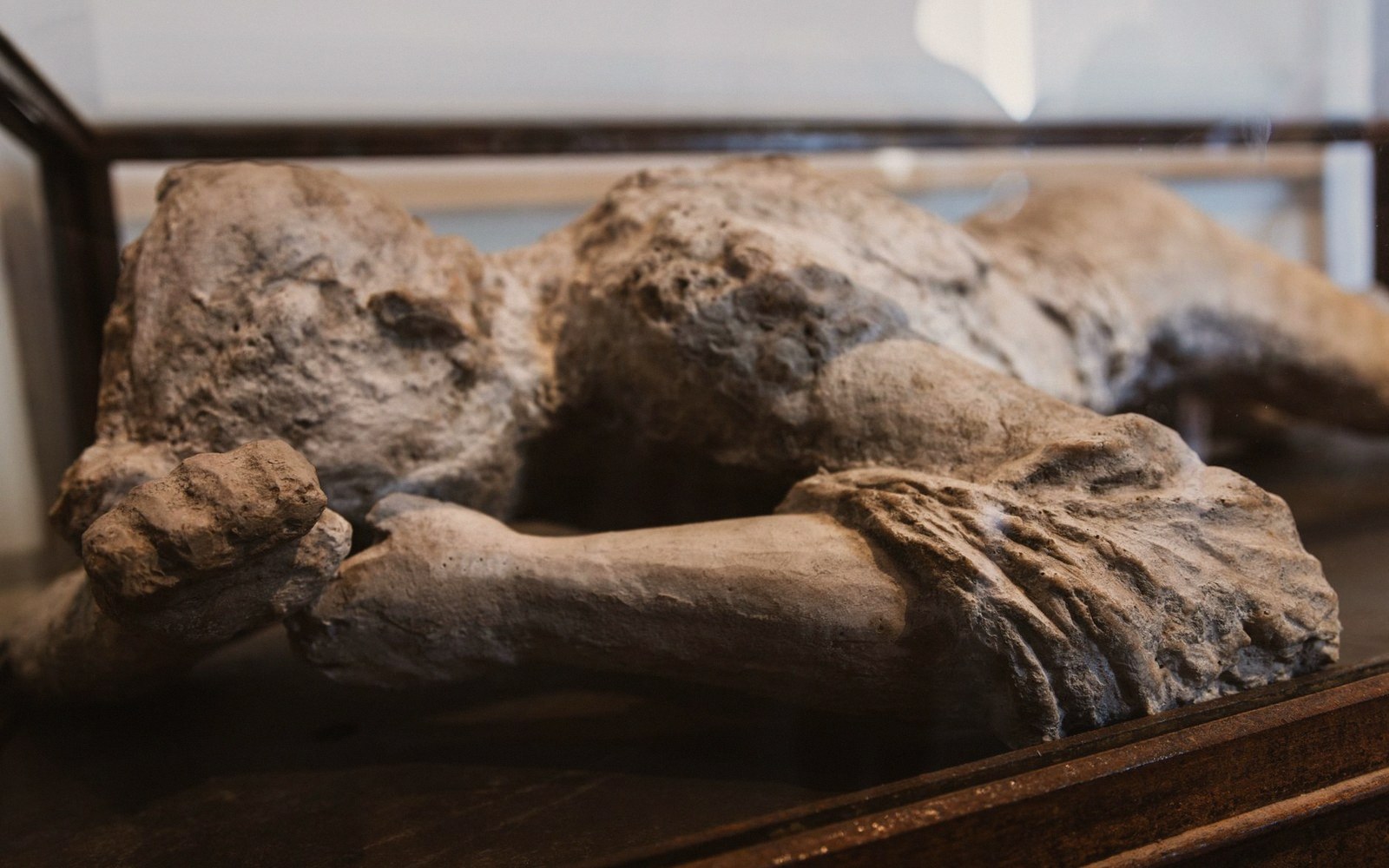 | Bog finds | Deposits | Anaerobic ground keeps organic material that survives nowhere else. |
| 19 | 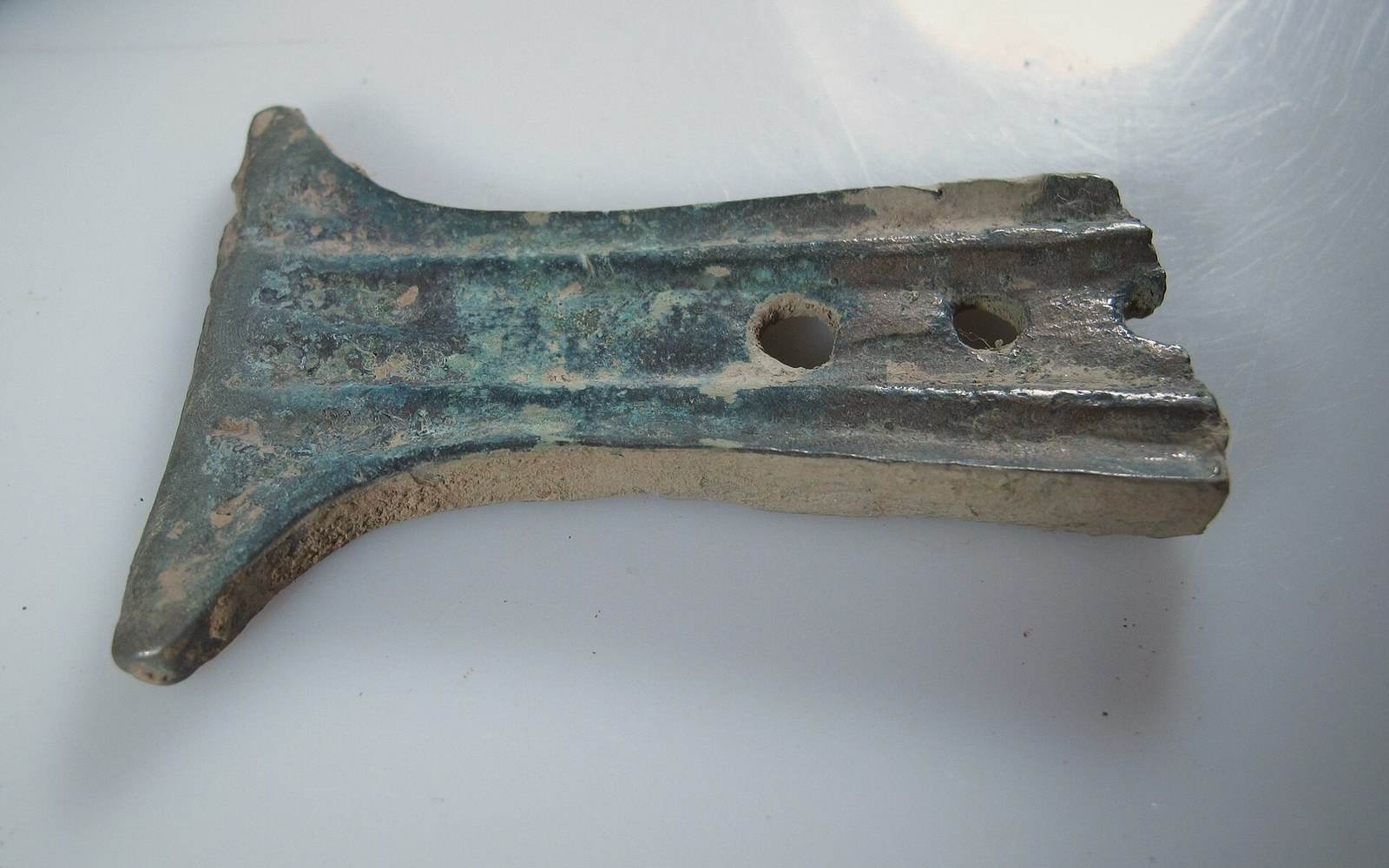 | Breakage and bending | Deposits | Objects deliberately destroyed before deposition — killed, in the literature. |
| 20 | 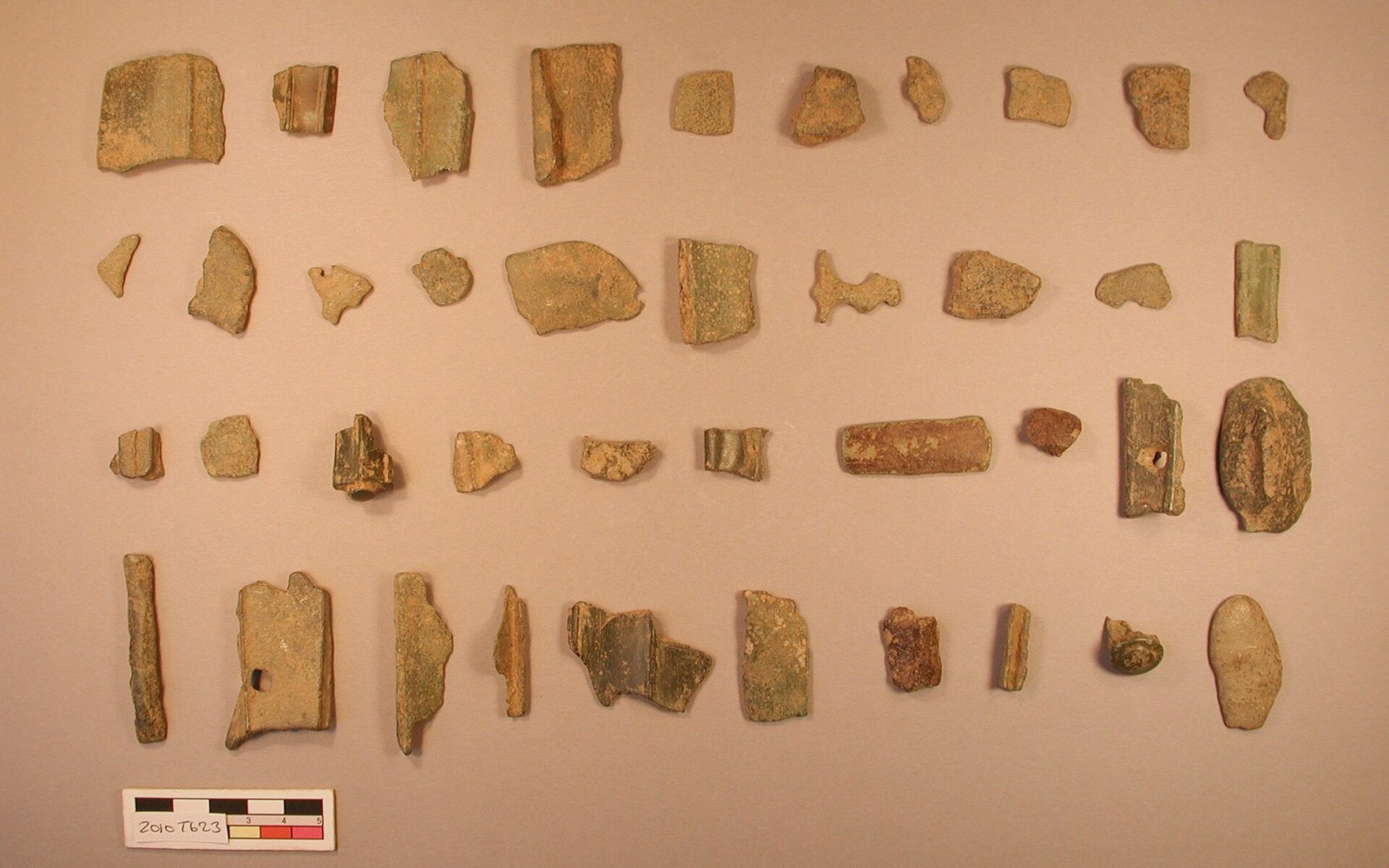 | Hoards, and what they are not | Deposits | Not always hidden wealth; often the point was that it stayed there. |
| 21 | 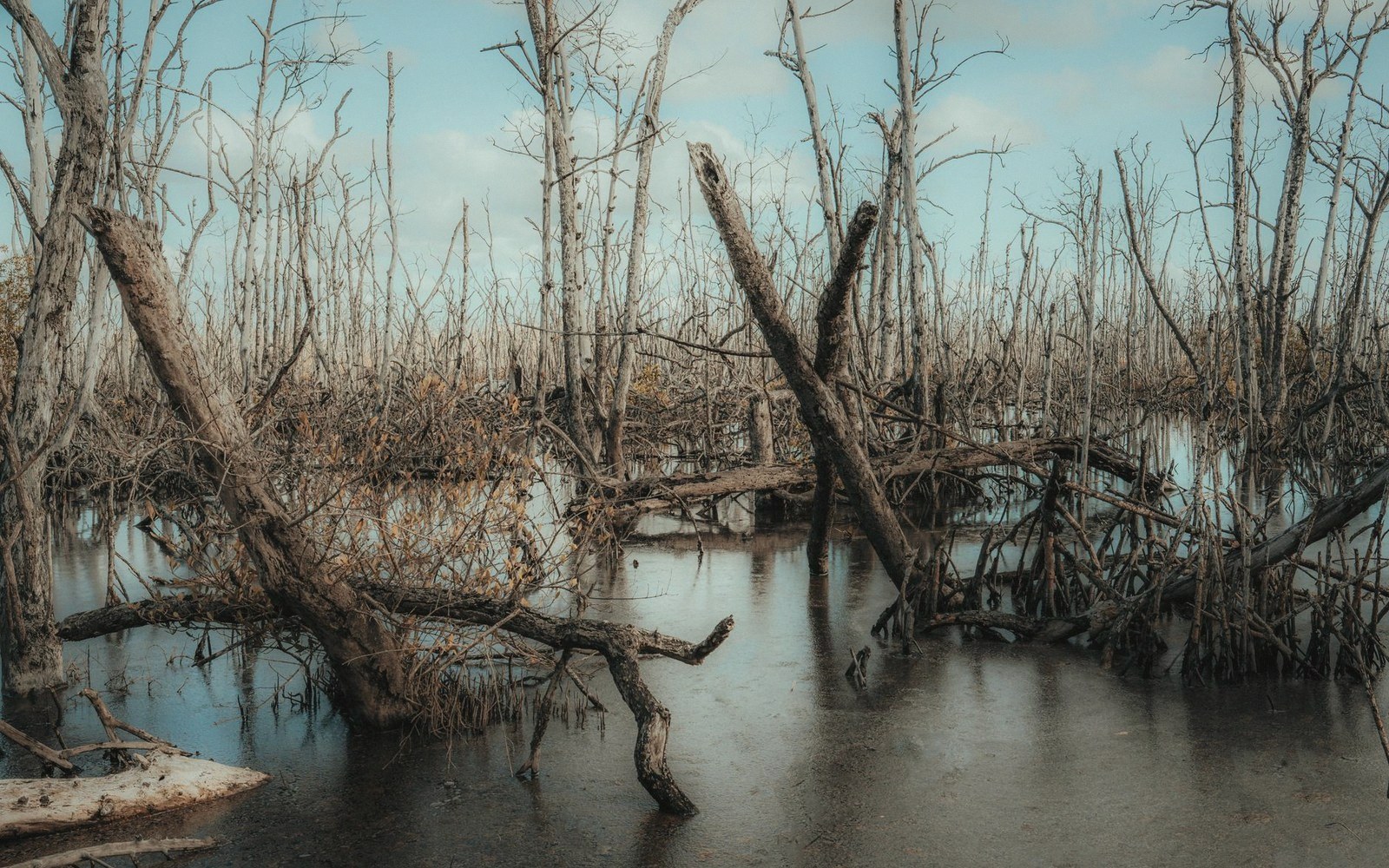 | Keeping wood wet | Wet Storage | Waterlogged timber survives only while saturated. Lift it and let it dry and it collapses to a fraction of its size. |
| 22 | 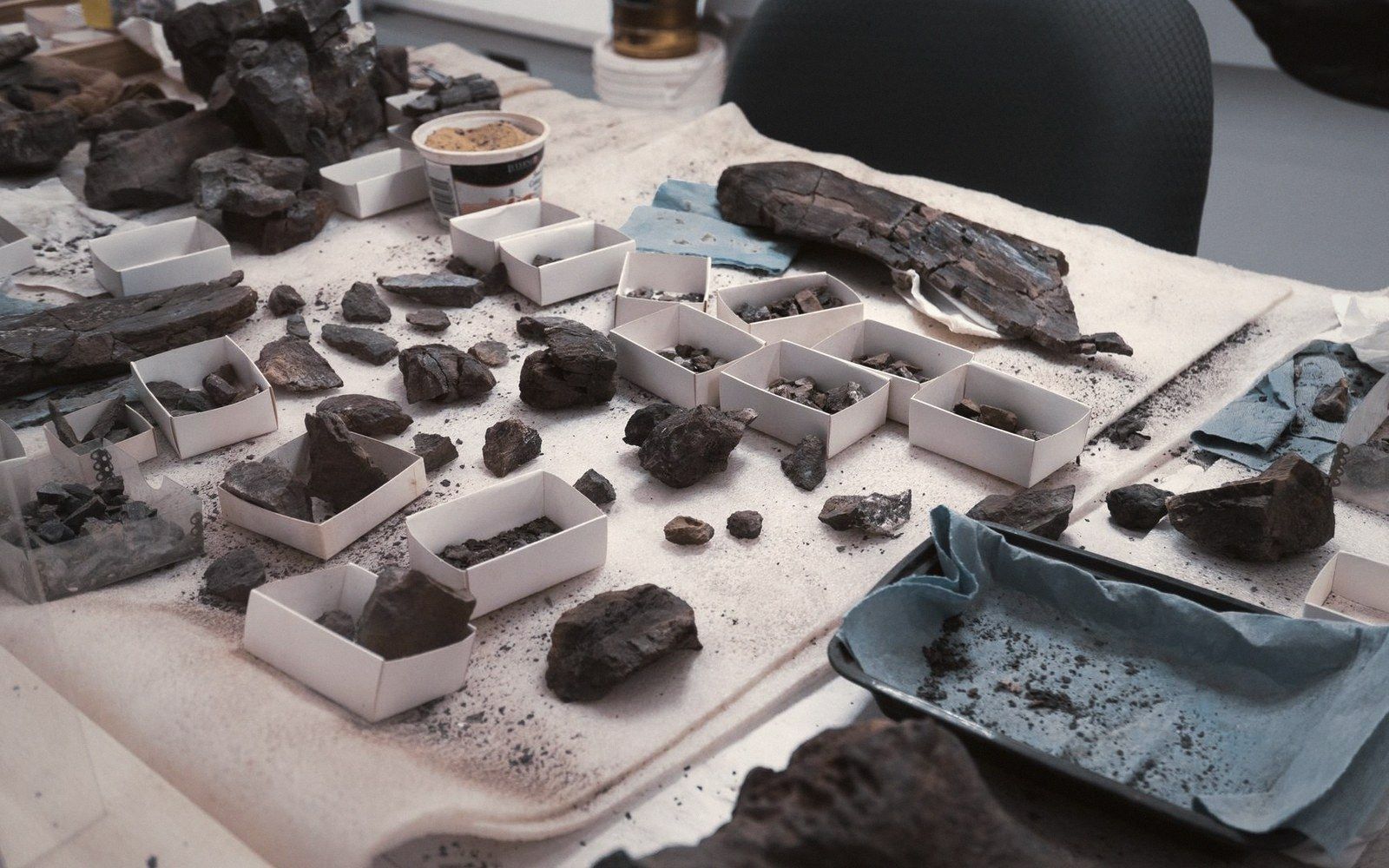 | Consolidation | Wet Storage | Replacing water with a wax or sugar that holds the cell walls open. |
| 23 | 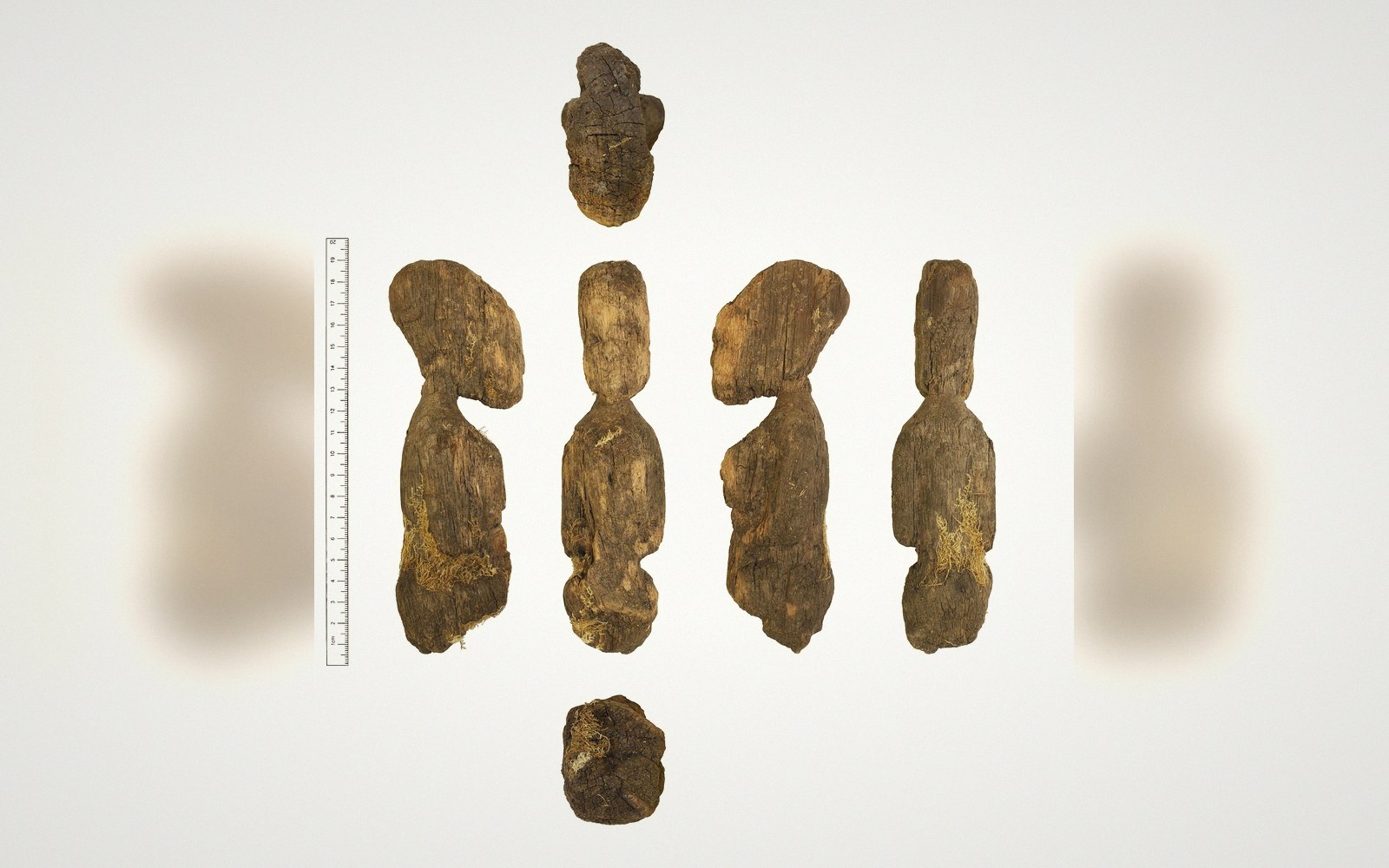 | What drying costs | Wet Storage | Shrinkage, warping and the loss of every tool mark on the surface. |
| 24 | 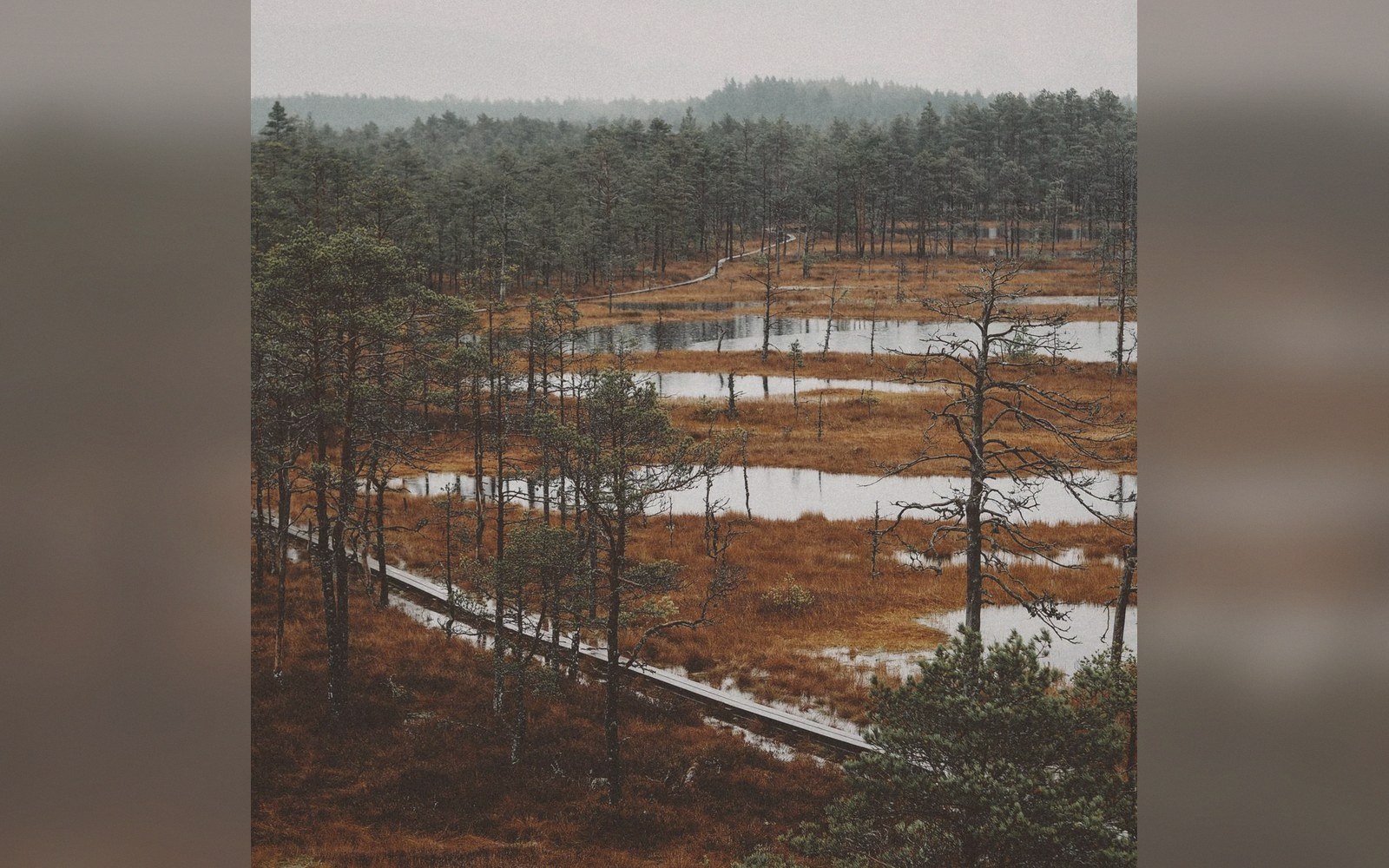 | Leaving it in the ground | Wet Storage | Increasingly the answer: the ground has kept it this long. |